View the full transcript
Transcribed from the episode audio by AI, so it may contain mistakes.
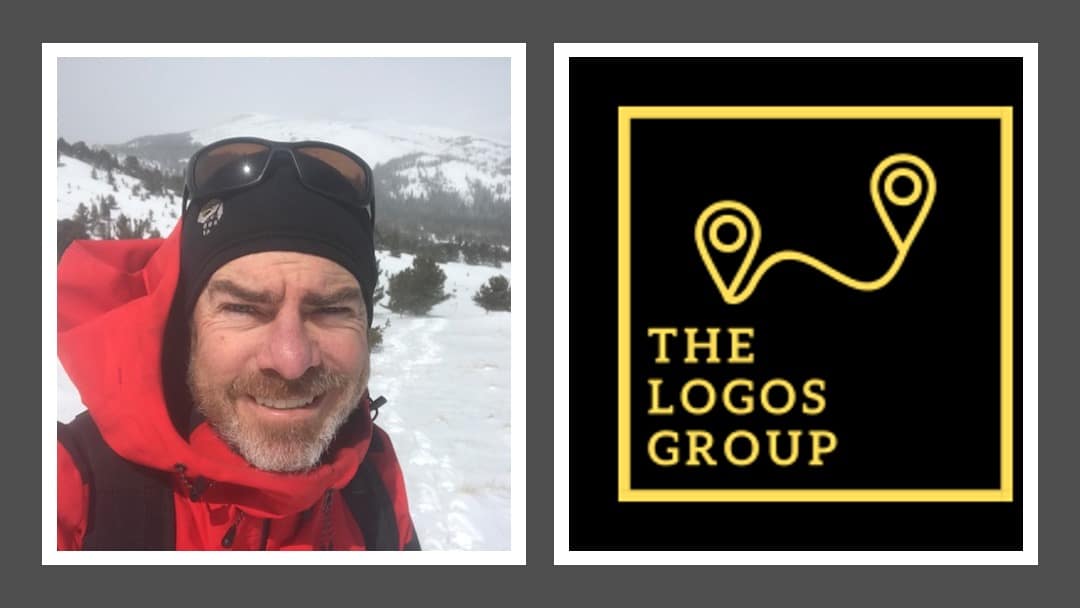
Ravi0:18Welcome to the Motivated Life podcast. I'm Ravi Raman. On today's episode, I'm joined by Jeff Kinsey. I met Jeff several years ago, and I was struck by two things. The first is he radically transformed his career and lifestyle, from a long career in investment banking to becoming a coach and consultant whose mission is to make people and organizations more human. He also ended up transitioning his family, to live in the mountains of Colorado, and I just found that very, very interesting and curious about what inspired him to make that big transition.
The other thing that's interesting about Jeff is he points clients to their own insight and intuition in order to support them in achieving whatever they're looking to achieve, And in that regard, Jeff and I have a common bond. In the world of coaching, there are people who operate in many different ways, but there are a great group of us that really make our work focused on helping clients uncover the insight from within, And once I got to know Jeff and got to learn not only his transition and transformation that he created in his life, but also how he coaches, I thought it would be great to bring him on the podcast, share his story, how he coaches, and learn some of the insights that have supported him and his decision-making, and also supported him in helping companies and teams be more effective.
So I hope you enjoy this podcast, and if you do enjoy it, please feel free to rate and review the podcast wherever you're listening. It really helps get the word out. And with that, I bring you, Jeff Kinsey. Welcome to the Motivated Life podcast. Thanks for joining me.
Jeff2:13Thanks so much for inviting me to be part of this, Ravi. I was so excited to see the podcast get fired up again and then to get a call from you to maybe be a guest. It was really exciting. So I appreciate the opportunity.
Ravi2:26Well, yeah, you know, I took a year and a half hiatus while my son was born and been raising him, but, you know, I was excited to get back at it. And then reading some of your blog posts about your journey and then knowing a little bit of your story, it just felt like a no-brainer to reach out and have a conversation. I know that your journey both. your transition from the world of Wall Street to what you're doing now, and also the unique way you coach will be really, really insightful for the people who are listening.
But before we dive into that, I'm curious, it's early afternoon here when we're chatting. I'm guessing you've either already summited a mountain or gone on a bike ride. So which is it?
Jeff3:12Well, it's funny. I had a pretty good endeavor over the weekend doing some backpacking up the treeline in the divide. So today is a rest day. I'm happy to say my back is even more happy than I'm taking the day off. So sorry, sorry to disappoint, but neither has happened yet.
Ravi3:28Okay. Well, let's let's dive in talking, actually starting at 13,000 feet, you know, not metaphorically. You know, people say, let's start at 10,000 feet, but it's actually not a metaphor because one of the things, and I know in your background, you do mountaineering and hiking and biking in a variety of things, typical Colorado stuff. But you also have done something unique, which is climbed mountains in the dead of winter, which strikes me as either inspiring or crazy. I don't know which. It's somewhere between the two maybe, but I want to start at 13,000 feet because you've written about an experience you had approaching the summit of Mount of the Holy Cross, if I believe.
And it was the middle of winter and you were attempting a solo summit of that 14er in the middle of winter but and you made a decision that could have saved your life and I'm just, I would love, maybe if we start there, if you can tell the story of that winter summit attempt and talk about what it was, what that decision was and what you were listening to that helped you navigate what could have been a dire situation and actually make it down alive.
Jeff4:46Yeah, no, I appreciate you keying in on that. That was one of the first posts that I really did, one of the first stories I really did. And I think it had a lot to do with the experience that I had. And in reflecting on it afterwards, I noticed there were a lot of correlations between what I had gone through, all the failures I had gone through in trying to summit this mountain, and how those things could be applied in the business. And that's what prompted me to write that story.
But I was, as you mentioned, I was trying my first solo winter ascent of a 14er. Is
Ravi5:18that sort of interrupt. Is that something people do? Because 14ers, for people who aren't in Colorado, you know, how many 14,000 foot peaks do we have? 54. 54. 54. Okay. So most states have none, and we've got 54. Colorado has a few. I know Seattle has Mount Rainier and a couple others. But is it a thing for people to try this in the winter? I know summer people go for them. But
Jeff5:41there's a variety of things associated with climbing all the 14ers. And one of those is doing all 54 of them in the summer, in the, in the, in the, in the wintertime. And a lot of them are solo attempts. It's hard to find partners to go climb 54 mountains in the winter with you. So it's a thing unto itself, not necessarily one that I subscribe to. I'm not in any mode, really, to try and climb them all. but a few of them and doing some of these interesting things, doing them in the winter, you know, it's an extra challenge for me and something I like to try and do to see, you know, what I'm really capable of.
Ravi6:20Got it. So, anyway, continue with your story. So you're trying to climb out of the summit. Right,
Jeff6:24so I'm trying to climb out of the Holy Cross. It really kind of a shoulder season, not necessarily in the heart of winter. There wasn't a lot of snow at the ground. Originally, in the forecast, was for just a couple inches, really at 14,000 feet. So I wasn't too worried about the weather, at the time. And it was gorgeous the day that I started. So I was really excited about the prospects of doing this whole thing. The first night, as at this shelter that you're referring to, 13,000 feet, there's a shelter up there that's this historic structure from 100 years or so ago.
It's really a fabulous piece of architecture in a way. So I figured I could stay there if the weather got bad and then, you know, do the summit the next day because I was only a thousand feet from the top at that point. So I got there, a beautiful day again. Interesting evening trying to sleep in this place that was so far from everything that, like I think I mentioned in my story, I was the warmest thing within miles and miles. So the mice within the shelter liked to sleep on me.
So that was an interesting thing to deal with. But I was awoken in the middle of the night with the storm that had come in and by the morning it had blown the door through and left a couple of feet of snow for me to deal with. It was pretty much at that point when I realized the summit was not going to happen. And it was a very quick decision on my part that if that wasn't going to happen, I needed to get out there as soon as possible.
I looked outside the door I saw the trail that I had came in on, started to fill in with snow. And I knew I had very little time to try and get down. 13,000 feet is about 1,500, 2,000 feet above tree line. So I was completely exposed to the elements at that point. And I knew that if this trail filled in, I wouldn't be able to find my way back. And the inability to find my way back put me on the edge of this 2,000 foot cliff trying to find my trail to get me back down of the tree.
So that was really the scene itself is, you know, I had to make an instant decision whether to stick with my goal of climbing this mountain or just understand that it today wasn't the day and it was time to get the safety before anything else.
Ravi8:41Yeah, I'm not familiar with. I've never been on Mountain of the Holy Cross. I've done a couple 14ers in only in the summer, in great weather And, yeah, above tree line. You know, often it's rocky terrain and you got to watch your footing. But there's a trail that you can see, though sometimes there's just cairns or piles of rock to follow. So I can imagine there, if you lose the trail, I mean, it's pretty, pretty easy to wander over to a big drop or or just a boulder that has like a gap in it or something like that.
Um, so what did you do? So? So there you are, the trail is getting covered. It's probably one of those switchbacky kind of things 32 switchbacks, 32 switchbacks. Okay, so what? How do you do you have Every?
Jeff9:27right turn was right on the edge of this cliff. You had to make every right.
Ravi9:33Make every right. Okay. At least you know which way to go. Right turn, right turn. But so what do you do? How did you find your way back down to treeline?
Jeff9:44It had a lot to do with just knowing that I had to make every right turn. It's like the thinking of that point got so narrow that all they had to really focus on. And it was really, to a large extent, a blessing to only have this one thing to focus on. I didn't have to worry about all the thoughts in my head and worrying about whether or not I was going to make it, you know, if my wife was going to find me on the side of this hill frozen someday or what.
So it was really just a matter of concentrating on what I could see in front of me, which was a very limited view in this whiteout blizzard I was walking through and really just focusing on that return trail. After the right, you could see it coming down to your right-hand side. So as soon as I would see that trail, I would just go to it. I wouldn't wait for the actual turn itself. I would just breathe the sigh of relief and give myself a little cheer and make it down.
The next left was easy enough, and then I had to worry about that right. So really staying focused on what I needed to do, kept me going, kept me from getting caught up in my head. And as soon as I saw the treetops coming to view, I knew I was safe. And then it was just a matter of making it back to the truck and driving out of there.
Ravi11:01So how does what you learned in following,
Jeff11:05you know, following
Ravi11:06The path in front of you, not listening to whatever else was going in your mind perhaps the fear or what's going to happen to me. You were just fixated on the moment and what was ahead of you. Talk to us a little bit of about how that translates to how you actually coach and support leaders and teams and just we'll get more into this. But you know you're an executive coach and we'll get into your company and what you do. But if you can just speak to how that relates, that story relates to how you coach leaders and teams and trying to navigate their own switchbacks.
Jeff11:43And it's almost. You know when I, when I do my coaching, I like to use extreme examples because I think if we can all understand that you know what's going on, with an extreme example, it's a lot easier to extrapolate back into what we're dealing with personally, and it takes some of the edge off it that it's not a life for death situation that we're dealing with. And I think the decision in this case is one that I've been faced with a number of times, especially in my backpacking and climbing career that you realize you're in the position where, if you overthink it, you could die.
And when faced with that thought in your head, it's almost easy to say, well, that I'm not going to think about the death part of it. I know that if I go there I might not make it. I want to give myself the best chance to make it, So I'm really just going to let that thought go by. I'm going to focus on what's in front of me right now. I find a lot of leaders, especially now with COVID and what have you are really stuck in a way in the thoughts that their minds are creating And buying into the story that's being created really between their ears, and it can be a really frightening story.
We can create just incredible stories within our head about what could happen. So, knowing that personally, that we have the ability to let some of those thoughts and feelings go by and really kind of let settle what the most important thing to do is right now, when, when we're able to get away from our thoughts a little bit and find a place of calm, then it's obvious to us what the most important thing to do is right now. So that's a lot of the way that I coach is really helping people to understand the noise that's being generated and the relevance, in a way, of what that noise is, and give them the tools that they need and the perspective that they need to sort of let that go by and wait a second, take a breath, wait a second and see what comes to you.
Chances are that's what you need to do.
Ravi13:42You know you're speaking to two things, one of which I hear a lot of people talk about and it's probably not going to be a surprise to people, But one is quite unique and is also very much in line in spirit with how I coach and work with my clients. The one aspect is the idea that, you know, there's a lot of noise in the mind And if we can have a better relation to it it can settle. You know, and I think the mindfulness movement wonderful movement, you know, meditation, you know, I think most people can understand.
Okay, if I have a healthier relationship with my mind, I can experience more calm, I can deal with stress better. You know, I can sort of deal with whether it's adversity or just a business problem, from a better state. Right, Maybe not get so tense and be more present, be more relaxed, be more calm. And so there's that aspect. But you've also been, you know, you're touching on a different aspect, which is, you know, as you were emerging from that hut or whatever you'd call it, 13,000 feet.
You also, it wasn't enough to be calm. You also had to find your way down. You also had to find the right turn and follow the path and not fall off a cliff. And also with leaders, it's not just about being calm. It's about from that state of mind, something arises. Now, you were able to navigate, find your way down the switchbacks. And it sounds like that's what you're speaking to, too. I would love for you to talk to that. Beyond the calm side, there's also the question most leaders have, not just how do I be calm, but how do I figure out what to do?
And you're pointing them in a certain direction to find that. So maybe if you can speak to that second piece a little bit.
Jeff15:34Sure. No, I appreciate that very much. I think we, especially in sort of the constructs that we're raised in in society today, we don't always understand our relationship to the thoughts that we create. And without that understanding, it's really easy for the ego to pull us out of the present moment and tell us this crazy story. And that story can seem so real and so based on fact that it's really difficult to see that you have a choice and what to do about it. And I think a lot of what I do with leaders is get them to understand their relationship to those thoughts that they're creating to see how the intellect is this fantastic analytical and computational machine or tool that they have at their disposal, but if it's a tool, who uses it?
And I think that, you know, when you move into that observer perspective where you're the subject and you get to observe the objects that are out there in front of you, then you can see that and become familiar with the feelings that you get when you get wrapped up in your head. When the stories in your head, start to make certain feelings happen within you that are all so familiar, you might not just be sure where they're coming from. And to be able to see that you can just let that thought go by and that that brings you back into the moment.
And from that place in the moment, you have access to this incredible wisdom that's traveling around us all the time and just let that wisdom come into you. And that will guide the direction you want to go. I think as we go through life, We have all these ideas of what we want to have happen, and those ideas kind of get put out there. And if we allow ourselves a calm place, then we tend to gravitate in that direction that we really truly want to go and not necessarily the one that we've talked ourselves into, or that we've let our friends and spouses and parents help talk us into.
Or social media. Or social media for sure. It's so easy to you know. Anything that comes in from the outside the intellect loves to grab onto and make meaning out of, and if you jump on there with it, who knows what kind of path that can take you down. So if you understand that that's how the mind works, then when you see and feel that happening you can sort of step away from it and in that place where you're calm now, stepped away from the noise that your mind is making, then you can take in what really is your true path.
That's the direction you put out there. And from a calm place, you can see the next step much more clearly.
Ravi18:18I want to talk a little bit about how this worked for you earlier, a little earlier in your life and share a bit of your backstory. You know, you started out as a banker on Wall Street, right? You were on...
Jeff18:34Well, I worked for Wall Street Banks. Wall Street Banks, yeah. Out of California or Colorado. Yeah, okay.
Ravi18:39So you're working at Wall Street Banks. I'm curious for you, you know, because people listening are in a variety of different professional fields. I'm curious, what attracted you to banking as a profession? And then after about 20 years, what inspired you? You know, was it insight? Was it wisdom? Was it something else? What was it that inspired you to take your life in a totally different direction and move to the mountains of Colorado and start a new life as a consultant and coach? So what attracted you to banking as a a profession to begin with.
Jeff19:14You know, it's a great question. I think like most, especially most men, I think, in today's society, you know, we come out of the world and we start our way in life and we look to the people around us to try to find some guidance and direction. And I think for men, a lot of that comes from our fathers. So, you know, my father had grown up relatively poor and thought that the reason that he was in the place that he was is because he didn't have the opportunity to take advantage of some of the things that society offered.
And one of those was college. And the relationships that come through college. So he made sure that I got in with the right people and I went to USC and I got my degree in real estate so that I could meet those right people that would help me along my career path. When I got out of college, my undergrad degree, it was the last great recession and real estate wasn't a field to be in. And banking came along. I really didn't know much about what it was other than they were going to pay me two weeks every two weeks and I had student loans.
So it sounded like a pretty good deal. And I figured I'd just get back into real estate in a couple years when the market corrected. And I think with a lot of us, 20 years goes by and here I am still in that career that I had enjoyed quite a bit, to be honest. I like the people that I worked with. I like being able to travel around quite a bit. I was fairly successful at it. made some pretty good money at it. But I think after those 20 years or so, I had realized I wasn't living my life.
I was living the life that my father would have loved to live for himself. And when I realized that, honestly, the world came crashing down around me. I didn't know what I was going to do next. And what I realized really in that sort of crash and with the help of some really supportive friends of mine was that I could now do anything I wanted to do. And that became this beautiful thing for me to try and figure out, you know, what is it that I want to do?
Ravi21:14Well, I just want to pause for a second because you've used the word realized a couple times. So you realized something. And what was it? Like, what was it? Because I know many people, myself included, you know, it took a while for me to realize that the career I was on before I transitioned to what I'm doing now, you know, that that I needed to take a fresh look at it. What was it that inspired that, that inspired that realization that, okay, it was time to look for something else?
Jeff21:45You know, it was part, part of the crash was feeling like I didn't have any options. Like I had lived my life to this point. I was, I was into midlife, so the whole thought of starting over was pretty overwhelming. But what I realized is that I did have options. Not only did I have options, but I had an entire world. world of options ahead of me. And I started to work with the coach myself who shared the kind of understanding that I really needed about my relationship to my thoughts and what I actually could do about that and how to find this really place of consciousness in the present moment and kind of listen in that place for some guidance on where to go.
And I think that's where we really find out what's driving us, what's important to us. And what's important to us. And And what I learned or what I realized in that search, if you will, is that I really enjoy being around people. It was something about banking, right? Banking is really just a whole lot of people. When I was at J.B. Morgan, we had 300,000 colleagues and didn't produce anything other than some reports, maybe. So it was really all about working with people, interacting with people, persuading with people, learning how people work.
And I really enjoyed that. So I wanted to go out and help people. And part of the end of that part of my career was working with the real estate investment company that built affordable housing. And I was exposed to that to what it really means to help people, you know, giving people homes that had never had them before and being able to meet those people and see what you're really doing with people. That inspired me beyond anything I had experienced in life up to that point, honestly.
I started working in prison, teaching entrepreneurship with returning citizen. I started working with nonprofits that helped homeless people find jobs. And that became my real driving force. And where
Ravi23:50did coaching, let's talk a little bit about what you're doing now. And from that realization and sort of transitioning out of your old career, tell me about that journey of then finding what it is you're doing now, which is consulting and coaching with the Logos Group, your company. Right.
Jeff24:15So I think when I, so it's this combination, and this is what I think I bring to my clients. So it's like I mentioned before an understanding for how people work effectively together. And then the process that I went through kind of learning more about my client. myself and what I wanted to then offer the world was gaining an understanding of how people work intrinsically. So to package those two things together, I thought I had something really valuable, really this piece of gold that I could share with others.
And I started really going out there and talking about that. So I have this business acumen about how people work effectively and then this understanding about how we work intrinsically and how to really have a healthy relationship with our thoughts and the stressors and everything else that's going on in our lives. So that's what I really started off, bring out to folks. And I really gravitated toward the nonprofit space because, you know, here's a group of people that are very passionate about what they're doing. They might not have all the business acumen that they need for their organizations to be successful, and I could help them with that.
But first, I needed to help them just live comfortably in their own skin, if you will. The work that they're doing is so important to the work. world right now. If I can help them be better at it, then they can serve that many more people. So therein my calling really was born.
Ravi25:44Let's talk about the coaching journey and what it's like for your clients. How do you point someone to wisdom? How do you help someone understand how the mind works, how the ego works, how to work beyond that? I mean, give me a sense of, I guess how you do what you do and what the journey is like for a client. Yeah.
Jeff26:06It's an interesting question to try and answer in a phrase, right? I think, you know, the first thing that I come across is a very stressed out executive. So, you know, their headspace is entirely full of the stressors that they have in their day. And there's no room for fresh thought when the mind is just traveling at that speech. and the emotions that it's generating are really not comfortable to live with. So getting them to understand that that's actually what's going on by showing them that there's options to the way that they're thinking.
Once that door opens just a crack to the fact that there could be some options to what's going on with them, then they start to get curious about what that might be. And then I know I've got them, if you will, in a way. Because as soon as they're aware that they can be curious about what other options are out there, then we can start talking about, you know, their daily life. And I think, you know, my superpower is really being a good, deep listener where I'm listening to them talk and I'm watching their face and I'm waiting for a disconnect between what they're telling me and what they're expressing in their face.
And I know when I see something that's just not aligned that they're telling themselves a story. And I'll wait until we finish, see how that all shakes out. And then I'll go back. I'll be like, you know, when you mentioned this, you know, I saw you Twitch, you know, what's that about? And then we start going deeper and deeper into what's really going on there and get them to understand that there's something that's driving that experience that they're having, right? There's something that's happened outside of them that they've created a story around that they are then being, you know, feeling these stressful feelings about.
So if I can get them to see that separation, then they can get comfortable in that place of presence and they can then become the observer again and be able to look at what's out there in front of them and decide how to interact with that space. So as I coach, I take people down this path and I watch them change from week to week from being really tight and stressed. And if you don't help me deal with this fourth thing on my list, I'm never going to get through the day to where they realize that you know they can step away from that And that a lot of the stress they're feeling is just the headspace that's being taken up by them thinking over and over through what they should be doing, need to do, how they screwed up this or screwed up that.
They got a big thing coming up that they need to be prepared for. And all of that thought is really a waste of time. And if you get rid of that headspace, then you have all this extra space just to let things happen in front of you and to take whatever that next step is that needs to happen to move down the road.
Ravi28:56You know your comment on options is interesting because I think most people will understand in the world, we have options right. I'm well. If you're watching this on YouTube, you can see I have two pens right. I have two options right. Which pen do I take? So, in the world, in the, in what appears to be the world out there, options make sense. But you're commenting on something different, which is options in terms of how we actually experience art system of thought, how we think, what we think about and our relationship to thought.
Like, those options, I think, are new for a lot of people. I know when I first explored the nature of my mind, it dawned on me. There's more than one way to think. Oh, my gosh. And it can feel totally different. And so I think that point is really, really interesting and spot on that you've made about. We've got options in how our inner world operates, not just options in. say which grocery store do I go to or which pen do I use, you know, in the world.
Now, how do you distinguish, because you also do consulting, right, and then you do coaching as well. How do you distinguish how you operate from, say, how other coaches and consultants are operating? I don't know if you have an opinion on that. I'm guessing you interact with some other coaches who, and coaches operate many different ways. I'm curious if you have a way of distinguishing the way you're operating from how you see others operate in the world of coaching and consulting. I
Jeff30:32think so. One of the advantages I guess I had in working for big banks is that they never hesitated to bring in a consultant whenever they had a question about something. So I had 20 years of watching consultants come in and go out and, you know, not to disparage any consultants that might be out there watching, but for the most part, it seemed like a very tactical gap analysis process. They would come and they would ask questions about the operations, how things were working, and then issue a report with a lot of suggestions and how to make things run more smoothly.
I don't remember there ever being a component of that process that included the humans that were involved. So I was fairly adamant about not being that kind of tactical consultant. So to me, consulting and coaching are very similar in the way that I approach it. The consulting tends to be looking at the organization as if it's a human. You know, what is the inherent culture of that organization? And I'll go through a whole workshop to derive what the inherent culture of the organization is. You know, what kind of impact they want to make on the world?
What does success look like from that lens? And then, what kind of behaviors does the team need to have in order to actually be successful there? So it's. You know it's really deriving the personality of the organization and then making sure that all the operations within that organization are aligned with that culture. You know the way they even post job descriptions for hiring. You know how they promote and manage their personnel, how they go out and acquire new clients and then service those clients. You know all of those things.
You know, have to do with the culture of the organization, which is a living, breathing organism to a large extent. So that mirrors the consulting that I do in the same way. I'm really curious as to why this organization is doing the things it's doing much more so that I am interested in the things that it's doing. Why at the bottom that's really important. And I think that's what makes me different than most consultants is the tactical stuff comes later. We need to fix the human first, right?
It's like with the executive, you know, the executive that walks out of the house in the morning is the same human that walks in the door at the office. Let's talk about that human. Let's make sure that that human has the skills that they need and the understanding they need to be successful in their role, just like we need to understand how this whole organization works as an entity, really, and able to really problem solve what's going on. Yeah. Let's talk
Ravi33:10about what a leader can do to up their game immediately. A large number of people listening are running teams. And so if you're listening and you're a leader and you're wondering, what can I take into the office starting today, tomorrow to up my leadership game? What would you recommend?
Jeff33:33It's a great question. And it always starts with listening. I think oftentimes leaders, are expected and feel the expectation to deliver some direction. Okay, team, this is what we're going to do. And oftentimes they lose sight of what the people on the team really need from that leader. And if that leader doesn't take the opportunity to listen, to ask questions, and just listen to what they hear, they don't have enough information to make a decision. So, you know, the first thing is, is, you know, the next.
staff meeting to keep your mouth shut as much as possible, except for asking questions.
Ravi34:16Jeff, I'm going to play, I'm going to, I'm pretending. So I'm listening to you. I'm a leader and I'm like, but, but then I'm not doing my job. Then I'm not, you know, making the decisions. Then I'm not, you know, making sure things are going the right way. I mean, that's, that's what's going through my mind as a leader listening to you. You're telling me to listen. And that means I'm not doing my job. My job is to make decisions and guide the ship. What, What am I getting wrong here?
Yeah.
Jeff34:43I would challenge that definition of what a leader's role is. Honestly, I think a leader's role is to remove roadblocks there in front of their team. And that's how their team excels. And if the team doesn't excel at every individual level, then the organization won't do the best that it can do. So I think there's something really important about setting strategy. Let's do this from a culturally innate perspective. let's set the strategy for the organization. Let's make sure that everybody understands what their roles and responsibilities are within that.
And then let's people be people. So as a leader of those people, it's really trying to understand what it is that they need in order to be successful. And that might not be another app. It might not be another spreadsheet that they need. Maybe they just need a little bit more peace in their life. Maybe they need a little more time at lunch to take their kids to the doctor or something like that. So it's really developing this human relationship with your entire team so that you can understand what they need as people and help them remove those roadblocks in front of them so that they can be as successful as they can.
A huge side effect of that, and I love positive side effects, is that your team then feels heard and they feel valued by the organization. And that's what we want as humans out of life, is to be heard and to feel value. So if you do that for your team, you're the best leader you possibly can be. The direction's been set. They come to you with questions. You've got this fantastic connection with them. You know them as the people that they are and they know you as a person that you are.
And within that world, you now have these expectations of each other as people. You understand that humans are just innately fallible. I mean, we just, we're far from perfect. and the things that we're imperfect at are really funny when you look at it. So I see a staff meeting going from the leader walking in, telling everybody what they need to do. Maybe there's some argument, some discussion about what does that really need? The leader walks out. The team kind of talks about what did that guy just say?
And then they go off and they do the same thing they've been doing every day. And then, in this new paradigm, you have a leader, come in, sit down, you know, check the temperature of everybody around the table, you know who's doing, who's feeling what, how are we all doing, who needs what? And then start asking you know, are you capable of doing the job that's in front of you? What can I do to help you do more? And then everybody leaves this meeting feeling supported.
They know exactly what they need to do, they know they have help if they if they need it and they understand that they're not being held to some expectation. That's unmeadable. It.
Ravi37:29strikes me that that what you're so what you're you're speaking of is the only way to actually get buy-in with a team. And so if you contrast a leader who's, say, pointing to the top of the mountain and then dragging people up there, saying your paychecks on the top of the mountain. So if you want it, you got to go. Contrast that with people co-innovating, co-creating their way to a solution. One is just by sheer force and perhaps fear. The other is actually buy-in. And what you're speaking to to me is, is, I don't know any other way we can get buy-in besides listening.
And this is actually something in the last podcast I did with Uday, Don Devante. He only talks about co-creation, not creation, co-design, not design, co-innovation, not innovation. His entire company mission is about having teams really feel like they're one organism in creating, which what I'm hearing from you requires a leader that's capable of listening. And I suppose not in their head. and actually present with their team. Right,
Jeff38:38absolutely. I think the least amount of time that we can spend out our heads, the better humans we are. And again, if we can take advantage of that computational analytical tool that we have at our disposal at any time and really use it for what it's good for, then we can stay in the present and we can stay connected with our colleagues.
Ravi39:06I want to switch gears a little bit and talk about you and what appears to be a transformation. I don't know if it feels like that or not, but when I look outside hearing your story, you know, you found your path that appears to me. And you transformed your life and work from, you know, working in a Wall Street bank, J.P. Morgan, to, you know, you're living in the mountains, your coaching teams, helping them be human. And it seems to me that you found that path.
What would you say to someone else who is considering a wholesale
Jeff39:46overhaul of their lifestyle,
Ravi39:48of their career, of their work, or maybe they're just stuck? They have a strong sense that they're not on the right path, but they don't know what to do next. I guess what would you say to someone like where you were many years ago when you realize something and change the direction you were on? would you say to someone who's still stuck in that phase? Right.
Jeff40:10I think that stuck feeling is really important to listen to. And a lot of the coaching that I do isn't about, you know, hiding, suppressing, avoiding feelings and emotions and things like that. It's really about welcoming them in and seeing what they do for you. So I think when you feel like you're stuck, it's important to recognize that you're having these kinds of feelings. It's more important to recognize. it, that you have these options like we talked about, that that doesn't have to be that way all the time.
And it isn't like that all the time where we're feeling stuck. There are times even when we feel really stuck that just the fluidity of life comes through and we end up having this glorious afternoon, you know, hiking in the flowers with our children. So, you know, we know that that joy and contentment of life exists because we experience it every now and then. And what I can tell them and tell you is that that can be life all the time. You know, there's always going to be, you know, trials and tribulations and stresses that come in, but when you understand how to recognize them and what kind of relationship you have with them and, you know, it's how seriously do I want to take this thought, very or not at all?
If not at all, let it go. You know, if I don't like the way this is making me feel, I'll let it go. So I think it's really important for people that are realizing that maybe they're just not in a place where they're happy to see that it's not anything that's outside of them, that changing circumstances, changing those inputs that they're getting from the outside aren't going to fix anything, that they need to come to grips with who they are internally. They need to take a breath, and when you take that breath you start to look inward.
So look inward and see what it is that really resonates with you as a human and what kind of things maybe even that you're doing right now in your day-to-day job that you might hate so much. There's probably a few things in there or a few relationships that you have, a few tasks that you have to do that you really enjoy. You know those are really good indicators that maybe a path in that direction or something that could be better for you. So take some time to find yourself in a clear space where you're not in the middle of the job, at work under deadline pressure, trying to figure out what you should do next.
For life, that's not the time to do it. You know we talk about shaking up a snow globe and that's your mind on thought. You can't see through the snow globe with all the snow shaking around inside. So put that snow globe down. They put it down. I have
Ravi42:46many of those my aunt used to give me those my aunt lived in new york city whenever we'd visit she'd give me a new snow globe so growing up i had about half a dozen of those sitting in my house. Anyway.
Jeff42:56No, that's fantastic. It's such a great metaphor because when you're just so caught up and thought, it's like you're shaking that snow globe as hard as you can. And you can't figure out why you can't come up with the right answer because there's so much going on. There's just no way. So put it down. You know, put the snow globe down, take a breath, step away and just see what comes to you when you're in a calm place. The wisdom that comes to you in that place is extraordinary.
And that I keep following that every day. If I find myself starting to move down a path and I don't feel joy and contentment with that, I know that I've gotten caught up in my ego, that I've given my ego something to analyze and compute and it's just taking control and it's telling me how dumb I am. Or what am I thinking doing that? Or haven't I learned all those stories we tell ourselves? When I start to hear that, feel that because you know you get a tightness in your chest.
That is a true indicator that something's going on. Take a breath, step away, wait for some fresh thought, and see where we go next.
Ravi43:58So I want to maybe push on that And in my own personal experience, I completely agree with what you're saying. But what would you say to someone who says, well, but if I'm not suffering, I'm not getting ahead, If I'm not working hard, I'm not going to climb the ladder. If I'm not putting in more hours, then how can I make it to the C-suite? You know that suffering is just part of the game. Right, I feel like there's. I can keep going on and on.
There's a lot of stuff. I know my ego used to tell me. What would you say to someone who's stuck in that? Because what I hear you saying is that there's a joint, there's joint contentment at the heart of it. Right, if I'm not feeling that you said you're, it's a sign that there's okay something to look at there. Um, what would you say to someone who doubts that?
Jeff44:49yeah well you know it starts with this premise that suffering is important in a way for us to learn and then reach our goals if we've suffered enough. And I'll say that's just a flat out lot. You know, I think our society has trained us to believe that suffering is not bad or it's not important for us. I see it as just busy thought, to be honest. Like we mentioned before, I think when you put it out there, that you really want to be a leader.
You really want to run an organization. You know, whatever that is that you really want to do. I mean, that's out there. You're moving in that direction no matter what. So suffering over that process of going there doesn't do you any good. You know, I talk to clients about how, you know, I have this process where I just suffer through this thing. If you're telling me I don't need to do that, how am I going to learn? And I love to come back and say, well, it sounds like you haven't learned it yet.
you know, you keep going through this same process and feeling this same pain and giving yourself the same hateful self-talk that you have, and you haven't been able to think your way out of this box. And that's the problem. You can't think your way out of the box. You need to step back and wait for some inspiration. And because you've already felt it within your bones that you want to go in this direction or another, when you find a place of calm, that's the direction you're going to move there.
Ravi46:23What are you thinking deeply about right now? I'm just curious, is there could be a book, could be a movie, could be an idea, could be the next mountain you're looking to climb. What's sort of occupying your thought or what are you looking for fresh insight around
Jeff46:39right now? It's a great question. I read a lot. I read a lot of nonfiction. I read a lot of fiction. I'm always into really, artful prose, but I think what I tend to be looking for is other ways of explaining this sort of understanding of our relationship to our thoughts. I'm consistently amazed by reading things like the Tao Te Ching, you know, thousands of years old that has this same understanding within it, of viewing life as an observer from a place of consciousness and what that can do for you.
And there have been many very smart people, very in tune, insightful people throughout humanity that have found this understanding and have written books about it. And even now, there's so many books being written about mindfulness. I love finding just different little examples and ways that other people are thinking about this. So that's what I'm thinking deeply about. And I think in the end, that helps me really serve my clients better as they come to me with new and different challenges. And as I've talked to them about many of these things that I'm sharing with you, it doesn't always resonate, right?
There's still this opportunity or this chance that they're still cut up in their head. And snow globes don't do it, right? They just haven't gotten it yet, even though we talked about the snow globe, right? So coming up with some other perspectives and angles and metaphors that I can use to help them again just put that snow glow down and sit back and realize their relationship to the meaning they're making out of their experiences.
Ravi48:34Where do you see yourself in the next two, three years?
Jeff48:37Wow. Doing this as much as I possibly can. you know, a week, every week, full of client coaching opportunities, podcast opportunities, creating culturally based strategic plans for companies, and spending as much time as I can up in the mountains, try not to kill myself.
Ravi49:01Well, that sounds like a good plan, especially the not killing yourself part and the, you know, enjoying some nice views from the top of those Colorado peaks. If people would like to connect with you, how can they connect with you in your company?
Jeff49:16Yeah, I appreciate that. So my company is the Logos Group. I'm at the Logosgroup.net. Also on LinkedIn, Logos Group is on LinkedIn as well as Jeff Kinsey. Those are probably the best plan. I'm Jeff at the Logosgroup.net. Great.
Ravi49:33Well, Jeff, it's been a pleasure speaking with you, exploring the nature of the mind, state of mind, wisdom, and what it's like to really, as a, lead or listen and lead in a whole new way in a way that's hallmarked by peace and calm versus stress, struggle, and effort. I love that. And best of luck with all your future mountains and business adventures.
Jeff49:58Thank you so much, Ravi. So appreciate your reaching out to me to be part of this. And best of luck to you as well. I look forward to seeing you against, you know. Take care. You too. Bye there.



Leave a comment below
2 comments
This was an insightful discussion, I enjoyed this a lot. I can relate to Jeff's journey and the realizations that led him to make a pivot in his life and career. Thanks for the podcast!
Glad you enjoyed it Peter! I'm always interested in hearing about what sparked someone's decision to make a major career pivot.